
How to Qualify for Federal Energy Tax Credits in 2026
Key Takeaways
- Federal energy tax credits for HVAC systems, available through 2026, provide significant incentives for homeowners who invest in qualified energy-efficient equipment. These credits reduce federal income tax liability and encourage cleaner energy usage.
- These credits cover more than just the price of qualifying heat pumps, air conditioners, and other HVAC units. They apply to installation costs and necessary system upgrades. Record keeping and receipts are key to maximizing claims.
- Homeowners will need to qualify their home, live in it, and have certified contractors install systems that meet efficiency requirements. Primary residences meeting federal requirements tend to qualify.
- Claiming credits involves meticulous paperwork, including official receipts, invoices, manufacturer certificates, and properly filing IRS Form 5695 and other supporting forms. You must file on time to get it!
- With a bit of strategy, like undertaking a home energy audit or scheduling upgrades to coincide with tax credit availability, you can save more than just money in the near-term. Future-proofing through high-efficiency equipment may add even more value.
- There could be more savings through state incentives, local utility rebates, and beyond. By exploring every opportunity, homeowners can make sure they get the most out of energy-efficient upgrades and get the biggest bang for their buck.
Federal energy tax credits, HVAC 2026, provide cashback to individuals or businesses who select power-saving heating, cooling, or ventilation equipment. These credits reduce expenses for purchasing and installing new HVAC units that satisfy established energy-saving criteria. They allow folks to apply these credits against their tax bill, meaning they can afford to invest in planet-saving tech. The criteria for what qualifies might shift, but they frequently include things like heat pumps, high-efficiency air conditioners, or smart thermostats. To assist in decision-making and demonstrate how these regulations apply, the following sections will discuss which systems are eligible, how to claim credits, and tips for maximizing your returns.
Understanding 2026 HVAC Credits

2026 HVAC credits are at the heart of continued efforts to incentivize energy-conscious enhancements throughout residences. IRA updates these incentives, which have been otherwise unchanged for a while, driving adoption of cleaner tech and lowering household energy costs. This means you must have your HVAC equipment installed and working during the 2026 tax year to claim these credits.
What Are They?
Federal HVAC tax credits are incentives designed to assist in offsetting the cost of energy-saving home enhancements. These aren’t deductions; they directly reduce federal income tax owed, which makes them especially valuable. The energy-efficient home improvement credit covers qualifying upgrades such as new heat pumps, air conditioners, and improved insulation, while the residential clean energy credit mainly covers solar and other renewable systems. Federal credits serve as that key motivation, growing clean energy adoption, and weaning us off fossil fuels. Savings can be huge, with credits generally reimbursing up to 30 percent of the qualifying equipment and installation costs, capped at certain limits per year.
Covered Expenses
Understanding which costs qualify is essential before claiming any energy-related tax credit. Homeowners should review eligible equipment, installation, and upgrade expenses while maintaining documentation. Clear knowledge of these covered expenses helps avoid costly mistakes, ensures compliance with federal requirements, and maximizes potential savings through accurate and well-supported tax credit claims.
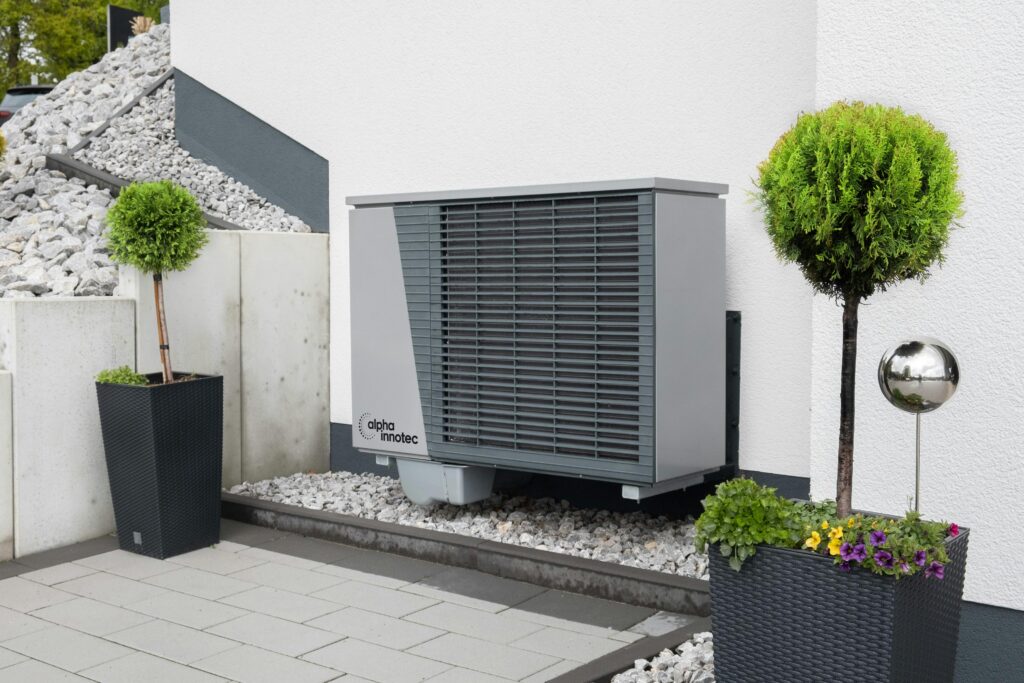
- Equipment purchases include qualified HVAC systems like air-source heat pumps, mini-split systems, and cold-climate heat pumps.
- Installation costs include labor charges for setup, wiring, and integration with existing systems.
- Necessary upgrades: Modifications to ducts, electrical panels, or thermostats are required for new systems.
Keep receipts and documentation for every expense. Only expenses for equipment and installation that comply with federal standards qualify. For audits, the credit requires a certified auditor and a report. Knowing what counts allows homeowners to optimize the credits and maximize both tax savings and energy efficiency.
Financial Limits
Understanding the financial limits of federal energy tax credits is essential when planning HVAC upgrades. These caps determine how much homeowners can claim each year and may affect the timing and scope of improvement projects, especially when multiple upgrades are involved.
| HVAC System Type | Maximum Credit (USD) |
| Air-source heat pumps | $2,000 |
| Gas-fired furnaces | $600 (available through 2025) |
| Energy-efficient upgrades | $1,200 (annual cap) |
Annual caps will influence upgrade decisions, particularly for bigger projects. For example, if a homeowner replaces multiple systems in one year, they may not receive credit for all expenses as a result of the $1,200 annual cap. Legal or policy changes might shift these limits or covered technologies, so consult up-to-date guidance before making plans to upgrade.
Who Qualifies for HVAC Credits?
Who is eligible for the HVAC credits? Homeowners must meet some requirements regarding property type, residency, installation, and system efficiency. Not every home improvement makes the cut, and proper validation is key before claiming credits.
1. Property Type
Federal HVAC credits are eligible for single-family, multi-family, and manufactured homes. Each property must be a residence as opposed to a business for the credits to be applicable. Rental properties and second homes may not be eligible for the same credits as primary residences. For home business users, if the business use is 20% or less, the homeowner can claim the entire credit. If business use exceeds 20%, partial credit is permitted. It’s always great to double-check property classification and business use split with a tax advisor before moving forward.
2. Residency Status
To qualify, you must be the taxpayer and primary occupant of the home in which the HVAC system is installed. The federal government insists that the credits are only for U.S. Residents, not non-resident homeowners or those who only have temporary residency. Establishing primary residence status means proving that the homeowner resides on the property for the majority of the year. Non-residents or part-time renters won’t satisfy the residency requirement. Homeowners will want to save documentation that demonstrates their primary occupancy should they be audited.
3. System Installation
HVAC has to be in the taxpayer’s primary residence, rather than a vacation home or garage. A qualified contractor must install it; a DIY install doesn’t qualify. You’ll need proof of install date and cost with a receipt, along with the contractor’s information. It must be installed and put into service during the tax year in which you claim the credit. Store all relevant receipts, contracts, and audit reports in an organized file for your taxes.
4. Efficiency Standards
All qualifying HVAC systems must be at least as efficient as the standard, often necessitating Energy Star certification. Each type has its own minimum efficiency levels. Heat pumps, furnaces, and central air systems all have their own thresholds. Qualified envelope components, such as new exterior doors, windows, and insulation, need to be Energy Star compliant and are anticipated to have a minimum five-year lifespan. There are item-specific caps, such as $600 per window or skylight, for example, and annual limits on total credit amounts, but no lifetime cap. Before you buy, verify current efficiency rules and obtain a home energy audit from a certified professional. Some credits mandate a written energy audit report.
How to Claim Your Credit
Claiming federal energy tax credits for HVAC upgrades in 2026 requires following specific steps to qualify and maximize your benefits. Homeowners need to keep an eye on form, proof, and deadlines to get claims accepted. The credit can be up to $1,200 per year for eligible energy-efficient upgrades, with specific caps for doors, windows, skylights, and audits. There’s no lifetime maximum, but there are yearly maximums. It must be your primary residence, and all enhancements must meet efficiency requirements.
- Validate that your HVAC solution or upgrade is energy efficient.
- Collect receipts, invoices, and manufacturer certifications for your records.
- Make sure it’s a home improvement on your primary residence, not a rental or second home.
- Complete a qualified home energy audit if applicable.
- Claim it by filing IRS Form 5695, Residential Energy Credits, with your tax return.
- Submit accurate information by the annual tax deadline.
- Retain all paperwork for three to five years.
Required Forms
Form 5695, Residential Energy Credits, Part II, is the primary IRS form required for HVAC tax credits. Homeowners complete this form with information on eligible expenses. List the costs and improvements for each field. Particular areas include property expenses and home energy audits, all with individual yearly caps. File this form with your primary tax filing. Reference the most recent IRS instructions to make sure you have the right version, as these can change from year to year. It’ll help you catch any missing or incorrect data, which can delay your claim or even lead to a denial.
Necessary Proof
Proper documentation is essential when claiming HVAC-related tax credits or rebates, as it verifies that your expenses meet eligibility requirements. Keeping accurate and complete records not only supports your claim but also protects you in case of an audit. Ensure all paperwork is organized, accessible, and clearly shows compliance with federal standards.
- Receipts for all HVAC equipment and installation.
- Invoices showing payment in full.
- Manufacturer certifications for energy efficiency.
- Home energy audit report, if applicable.
Purchase receipt required. Retain receipts and invoices in paper or digital form, as the IRS may require them at a later date. Manufacturer certifications that specify the efficiency rating demonstrate that it meets federal standards. There must be qualified auditor reports for energy audits. Good documentation makes the claims process smoother and lessens the likelihood of issues if your claim is audited.
Filing Process
Filing for HVAC tax credits begins with collecting your paperwork and completing Form 5695, which you then submit with your yearly tax return. The deadline matches the regular tax-filing deadline, typically in April. For the majority of individuals, your credits come out of your total tax, so check your return for mistakes before filing. Because the credits are nonrefundable, you cannot claim more than your tax liability. If you’re planning multiple upgrades, spacing them out over a few years can help maximize yearly caps. Mistakes can gum up or even block your claim, so double-check everything.
Strategic Upgrade Planning
Smart timing, smart research, and smart long-term thinking for HVAC upgrade strategy 2026. The yearly reset on Section 25C means that homeowners can only claim up to $3,200 every year, but these credits are ‘use it or lose it’ and don’t roll over. The Inflation Reduction Act adds more layers, overlapping rules, and state-by-state program timelines. Knowing how to plan out your upgrades with these factors in mind really helps stretch the credits, particularly when it comes to heat pumps and heat pump water heaters, which have their own $2,000 annual cap. Labor is included in the 30% calculation. To receive the entire credit, the equipment must be installed and operational in the same tax year. If the business usage of the home is less than 20 percent, the entire credit applies.
Key considerations for strategic upgrade planning include:
- Strategically planning upgrades to coincide with tax credit eligibility and claimable caps.
- Booking a home energy audit identifies the most effective upgrades.
- Reviewing labor and installation timelines to avoid missing deadlines
- Projecting long-term energy savings and higher home value
- Staying on top of local and federal eligibility rule changes.
- Spreading upgrades over multiple years to maximize credit use
The Home Energy Audit
Test 2: Home Energy Audit A home energy audit is a comprehensive check-up that identifies where a home is using and losing energy. It illuminates which areas of a house waste the most and where improvements will have the greatest impact. With a trained energy auditor inspecting insulation, windows, HVAC, and more, homeowners walk away with a no-nonsense checklist of things they can do to save energy and money. More often, these audits point to enhancements eligible for federal credits, such as heat pumps or improved insulation. Guiding upgrade priorities with audit results drives smarter spending and bigger savings.
Timing Your Purchase
Selecting the right times to purchase and install HVAC equipment is crucial. The Section 25C credit resets every year, so one upgrade per year can have the most impact overall. Late in the year sounds good for tax planning, but it can backfire. Equipment must be installed and working before the year ends. It pays to think ahead and not be left behind. Some IRA programs could have state rollouts that impact timing. By spacing out your upgrades, such as a heat pump one year and insulation a different year, you enable homeowners to capture the full credit each time.
Future-Proofing Your Home
Planning can be rewarding, particularly as energy standards continue to increase. Purchasing heat pumps that exceed today’s efficiency standards translates into lower energy costs and better resale value in the long term. Keeping up with shifting policies and incentive programs ensures your upgrades don’t become obsolete before long. High-efficiency units, although pricier initially, can typically receive greater credits and save more money in the long run. In an era where technology is evolving at breakneck speed, thinking ahead translates into less shock and more payoff.
Beyond Federal Incentives
Federal tax credits for HVAC upgrades will stay key through 2026, but their role is evolving as new funding arrives. Now, most savings will be from a combination of state and local programs and utility company offers. For homeowners, understanding where to look and how to stack these options can make a real difference. The transition to state-led rebates and utility incentives paints a shifting picture of what’s possible for energy-efficient home upgrades.
State Programs
State programs play a major role in expanding the savings available beyond federal energy tax credits. These incentives vary widely by location, offering rebates, grants, or tax benefits tailored to local priorities such as energy efficiency, solar adoption, or HVAC upgrades. Understanding what your state offers can significantly reduce overall project costs.
| Region | Incentive Type | Max Rebate (USD) | Notes |
| California | Clean HVAC, Property Tax Exclusion | Up to $4,000 | Solar PV value excluded from property tax |
| New York | Heat Pump Rebates (HOMES, HEAR) | Up to $8,000 | Income-based, state-administered IRA programs |
| Texas | Efficiency Grants, Solar Rebates | Up to $6,000 | Includes per-watt solar incentives |
| Florida | State Energy Rebates | Up to $2,500 | Program details vary by county |
| Illinois | Moderate-Income HVAC Rebates | Up to $4,000 | 80-150% AMI eligibility, application required |
State incentives don’t look the same. What you receive depends on local regulations and funding, so it’s worth seeing what’s up in your area. Certain states provide property tax incentives for solar, while certain countries are more selective in providing money back for HVAC or heat pump systems. If you take a moment to explore and apply for state programs, you can save a ton more than just federal credits.
Local Rebates
Local rebate programs, typically operated by city governments or regional agencies, assist in reducing expenses for new HVAC units or renovations. These might sometimes be located on city energy office websites or via local news bulletins. Applying is usually simple: gather receipts, fill out an online form, and wait for approval. When combined with federal credits, homeowners are able to stack savings, in some cases covering the majority of their initial expenses. Local rebates can close quickly when funds run out, so it is wise to check deadlines before initiating a project.
Utility Offers
Across much of the country, utility companies provide rebates or discounts on high-efficiency HVAC systems. Some utilities pay per watt for solar installs or provide annual payments to participants in DR programs with battery storage. Deals could provide $500 to $1,500 back, with limits on total funding per year. Be sure to always check with your utility for up-to-date program information and application procedures. Capitalizing on these, as well as state and federal rebates, may add up to significant savings.
The Contractor’s Essential Role
Contractors play a key role in energy-efficient upgrades, especially as federal energy tax credits for HVAC systems become more stringent in 2026. These credits only apply when qualifying, high-efficiency equipment is installed, often systems that meet ENERGY STAR standards or similar certifications. However, selecting the right unit alone is not enough. Proper installation, compliance with building codes, and complete documentation are all essential. Even small errors in installation or paperwork can result in a lost tax credit for the homeowner.
When choosing a contractor, homeowners should prioritize experience, technical knowledge, and familiarity with energy-efficiency programs. A qualified contractor should be able to navigate federal requirements and ensure every step of the process is compliant. Key considerations include:
- Proven experience in energy-efficient installations. Look for contractors who have completed projects using ENERGY STAR-rated or other certified HVAC systems.
- Verified references and past projects. Ask for client references and examples of previous work involving energy-efficient or tax-credit-eligible systems.
- Knowledge of eligibility rules and system sizing. Experienced contractors can determine which systems qualify, properly size equipment for the home, and ensure optimal performance.
- Proper installation practices. Correct installation—including sealing duct leaks, testing airflow, and balancing the system—is essential for efficiency and long-term performance.
- Accurate and complete documentation. Contractors should provide detailed invoices, manufacturer certifications, and compliance paperwork required for tax credit claims.
- Understanding of tax credit requirements. Professionals familiar with incentive programs know how to properly complete paperwork, including required codes and documentation details.
- Licensing, insurance, and training verification. Homeowners should confirm that contractors are fully licensed, insured, and trained in energy-efficiency programs.
- Multiple bids for comparison. Getting several quotes helps ensure fair pricing and allows homeowners to evaluate contractor expertise and approach.
Ultimately, a knowledgeable contractor not only ensures the system operates efficiently but also protects the homeowner’s eligibility for valuable federal tax credits.
Conclusion
Select the best HVAC upgrade for you and save big with 2026 federal energy tax credits. The guidelines seem straightforward, meaning that the majority of individuals can schedule with confidence. Pairing a wise contractor sorts out the forms and helps you choose equipment that qualifies for the credits. Even incremental measures, such as verifying new units for proper ratings, can translate into additional dollars in return. The credits provide an easy incentive to reduce expenses and conserve energy. Local or state programs add even more value. If you’re considering a new system, be sure to get up to speed on the new rules and consult with a trusted pro. To maximize these credits, begin your preparations now and monitor for updates as 2026 approaches.
Frequently Asked Questions
What are federal energy tax credits for HVAC in 2026?
Federal energy tax credits for 2026 reduce your tax liability when you install energy-efficient HVAC equipment. They motivate homeowners to go green and be energy-efficient.
Who can qualify for HVAC tax credits in 2026?
Generally, homeowners who install eligible HVAC systems in their primary home will qualify. The equipment has to comply with federal energy efficiency requirements.
How do I claim my HVAC tax credit?
You claim the credit by filing the appropriate section on your yearly tax return. Save all purchase and installation receipts for proof.
Which HVAC upgrades are eligible for credits?
Upgrades such as high-efficiency heat pumps, air conditioners, and furnaces typically qualify. See government lists for approved models and efficiency levels.
When should I plan my HVAC upgrade for maximum benefit?
Schedule your upgrade before the tax year expires and verify system eligibility. Planning ensures you are eligible and get the most savings.
Do federal credits stack with local or utility rebates?
Yes, federal credits are frequently stackable with local or utility rebates. That can bring your new HVAC cost even lower.
Why is a certified contractor important for HVAC tax credits?
A certified contractor makes sure your system fulfills all technical and installation criteria. This assists you in qualifying for the credit and avoiding expensive errors.
Maximize Savings with Energy Efficiency Rebates & Incentives from Superior Mechanical Services, Inc.
Upgrading your HVAC system is a smart move, but many homeowners and business owners miss out on valuable savings simply because they don’t know what programs are available. Superior Mechanical Services, Inc. helps you take full advantage of energy efficiency rebates and incentives, so you can reduce upfront costs while investing in long-term comfort and performance.
Understanding how these programs work is the first step. Rebates and incentives often depend on system efficiency ratings, equipment type, installation standards, and even your property’s current energy usage. Without the right guidance, it’s easy to overlook opportunities or choose a system that doesn’t qualify. Superior Mechanical Services, Inc. breaks down these requirements clearly, helping you avoid missed savings and costly missteps.
Our team walks you through available rebate programs, high-efficiency system options, and the steps needed to qualify. Whether you’re considering central air, ductless systems, or advanced energy-efficient upgrades, we help you align your investment with the incentives that make the most financial sense. From understanding SEER ratings to navigating application requirements, we make the process straight forward and easy to follow.
Property owners across the Bay Area trust Superior Mechanical Services, Inc. for honest advice and a clear path forward. We focus on solutions that fit your space, your usage, and your budget, while helping you capture every available rebate and incentive.
If you’re planning an HVAC upgrade, don’t leave money on the table. Connect with Superior Mechanical Services, Inc. to learn how energy efficiency rebates and incentives can make your next system more affordable and more valuable from day one.
______________________________________________________________________

