
Preventing Holiday HVAC Emergencies in California Homes
Preventing holiday HVAC emergencies in California homes is just about making sure your heating and air systems are in good shape before the busy season begins. To help avoid holiday HVAC emergencies, many California homes experience added stress on their units during these holidays because of family gatherings and unpredictable weather. Little things like cleaning or changing your air filters and clearing your vents can help you avoid an emergency breakdown. Consistent maintenance reduces the odds of unexpected repair expenses and keeps California homes guest-ready and comfortable.
Homeowners tend to discover that doing things a little early, like making sure thermostats are checked and yearly service booked, goes a long way. For those entertaining family or friends, knowledge of these tips helps keep plans on schedule. The following bite-sized sections address simple methods for preventing holiday HVAC emergencies in California homes.
Key Takeaways
- More feet on the floor, more cooking and unpredictable changes in climate during holidays could put a strain on your HVAC system in California homes.
- Professional HVAC maintenance and filter replacement should occur before the holidays.
- Ensure proper ventilation, keep the thermostat at a comfortable temperature, and keep yourselves well hydrated.
- Make sure to regularly inspect vents for any blockages and keep outdoor units free of leaves and other debris.
- Keep an eye out for early warning signs. Weird noises, strange smells, feeble airflow, or rising energy bills can indicate HVAC problems, so you can tackle them pronto.
- Have emergency numbers handy and know when to call, particularly for no heat, electrical, or gas leaks.
Why California Holidays Stress HVAC Systems
California holidays translate to more people feet at home, more hours inside, and more activities that have your HVAC system working overtime. Heavy use, sudden temperature fluctuations, and additional heat from cooking or hosting big groups all stress these systems, potentially leading to HVAC emergencies. A lot of homes still have older, less efficient units, which means that HVAC problems and breakdowns are more likely when demand spikes. Below, we explain the core stressors.
| Factor | Impact on HVAC Performance |
| Occupancy | More people raise indoor heat, stress heating/cooling, and lead to overuse. |
| Cooking | Raises indoor temps, worsens air quality, and strains ventilation. |
| Climate | Humidity and sharp temperature swings stress systems, especially older units. |
The Climate Factor
California winters can bring both warm and cold temperatures in a single day, leading to HVAC problems as systems frequently switch modes. This constant change can accelerate wear on components. Areas near the coast often face humidity bursts that make maintaining indoor comfort challenging. High moisture levels can introduce mold or dust, degrading air quality. During major holidays, when storms or heat waves occur, homes with outdated systems may need holiday emergency service, as older units struggle to cope with these extreme conditions.
The Occupancy Load
Holidays equal extra guests, which can lead to increased HVAC demand. More folks mean more body heat, more motion, and more door openings, pushing the HVAC to run longer and harder. If the system hasn’t undergone proper maintenance, filters can clog and parts may wear out, leading to unexpected HVAC problems. This is especially true for older units, which can result in HVAC emergency repairs during peak periods. Booking check-ups prior to holiday gatherings helps limit the danger and ensures emergency HVAC services are not needed.
Even the most pristine system can struggle if it wasn’t sized for large groups. If you frequently entertain large gatherings, consider evaluating your HVAC preparation to ensure it meets your needs, as abuse during peak periods can cause system failures.
The Cooking Effect
Cooking big meals creates more heat in the kitchen. This can disrupt your thermostat, causing the system to strain to maintain temperatures. Turning the heat down or cranking up the fans can offset the heat from ovens and stoves.
Stale cooking air is no joke. Without proper ventilation, steam and smells remain, and the quality of the air decreases. Turn on exhaust fans and open windows if the weather permits. This keeps the air fresh and makes the HVAC work less, lightening the load when you’re cooking up a storm.
Your Holiday HVAC Prevention Plan
A holiday HVAC prevention plan is essential for ensuring a safe, warm, and comfortable home during the most hectic time of the year. By implementing these holiday HVAC tips, you can keep your gatherings cool, avoid expensive emergency HVAC repairs, and prevent HVAC problems. Regular maintenance, including cleanings, filter changes, and inspections, helps maintain fresh and healthy air for everyone. Consider this your Holiday HVAC preparation! Schedule a professional tune-up 2 to 4 weeks before the holidays, switch out filters, inspect vents, seal leaks, and reprogram your thermostat. Finally, complete your pre-guest routine with a thorough safety inspection.
1. Professional Tune-Up
Schedule your seasonal HVAC tune-up in advance to enhance your holiday HVAC preparation. This proactive approach allows your technician to catch and repair minor HVAC problems before they escalate into costly emergencies. Be sure to mention any unusual noises, odors, or performance differences you’ve noticed. Ensuring your system is ready for extra bodies and cold weather this holiday season can help you avoid emergency HVAC services and keep you off the emergency call list.
2. Filter Replacement
Switch out air filters monthly, particularly when preparing for holiday guests. Filthy filters can lead to HVAC problems by restricting airflow and causing your system to strain, thus increasing the risk of emergency HVAC repairs. Good filters not only catch more dust and allergens but also help maintain reliable operation of your heating system, ensuring your indoor air stays clean and fresh. Keep a few spare filters at home to avoid last-minute shopping.
3. Air Vent Check
Inspect your home’s vents for dust, pet hair, or debris to prevent HVAC problems. Cleaning them improves airflow and enhances the reliable operation of your heating system. Walk through each room to ensure vents aren’t obscured by couches or holiday decorations. Simple maintenance tasks, such as installing vent covers, can help channel warm air effectively, ensuring comfortable temperatures during cold weather.
4. Thermostat Strategy
Adjust your thermostat to maintain a consistent temperature at your home during hosting, especially during holiday periods. Smart thermostats are the solution for effective temperature management. Verify settings before guests arrive and teach them how to make adjustments if necessary.
5. Safety Inspection
Ensure your system is ready for cold weather by scheduling a safety inspection to check for leaks or hazards like carbon monoxide. Also, refresh emergency procedures with your family to prepare for potential HVAC emergencies.
Early Warning Signs of HVAC Failure
Identifying HVAC problems early can help you avoid wasted time, money, and headaches this holiday season. Most issues exhibit themselves before a complete breakdown, especially if you’re aware of common HVAC problems. Chances are you’ll get 10 to 15 years out of most systems, and if you’re constantly repairing it, it’s usually a sign it’s nearing the end. Early action can help stave off expensive HVAC emergency repairs.
Strange Noises
- Banging: Loose or broken parts inside the unit.
- Whistling: Airflow restriction, possibly from a clogged filter.
- Clicking: Electrical issues or failing relays.
- Squealing: Worn belts or motor bearings.
- Hissing: Refrigerant leaks or duct leaks.
Any noise that’s out of the ordinary should be inspected as soon as possible, especially during cold weather when hvac problems can escalate quickly. Don’t overlook strange noises; they can lead to bigger issues like frozen coils or outright failure when temperatures peak. If switching the filter or inspecting vents doesn’t repair the noise, call in an hvac professional. Record when and how often the noises occur, as this log assists technicians in locating the source quicker.
Odd Smells
Burning odors may indicate overheating wires or motors that require immediate attention to prevent fire hazards, especially during holiday hvac emergencies. A musty smell frequently indicates mold growing within the ducts. If there is a gas smell, it may indicate a leak. In emergency situations, get out of the house and call emergency services, as carbon monoxide is difficult to notice without a sensor.
Weak Airflow
Check the air from vents as well. If it’s weak, you could have a blockage, dirty filter, or duct leak. Other times, ice forms on coils during cold snaps, which can cut off airflow and harm the system. Push furniture or curtains away from vents for unobstructed flow. If airflow doesn’t improve after quick fixes, it may indicate serious hvac problems. Schedule emergency hvac repairs if these persistent issues make rooms uncomfortable and push your system to work harder, consuming more energy.
Higher Bills
To save energy and avoid unexpected HVAC problems, compare your energy bills each month. A sudden jump might indicate that your HVAC system is losing efficiency due to age or hidden defects. Consider implementing holiday HVAC tips, such as using smart thermostats, sealing windows, and changing filters. If prices remain elevated, an HVAC professional should evaluate your system for necessary updates or emergency HVAC repairs.
The DIY Homeowner’s Role
Taking care of your HVAC system can prevent unexpected breakdowns over the holiday season, ensuring reliable operation during cold weather. Do-it-yourself homeowners who stay on top of simple maintenance tasks can keep their homes cozy and sidestep costly HVAC emergency repairs. Understanding what tasks are safe and which should be left to HVAC professionals is crucial. At minimum, these basics should be covered: clearing debris, inspecting the airflow, testing your system, and preparing for minor electrical issues.
Clear Debris
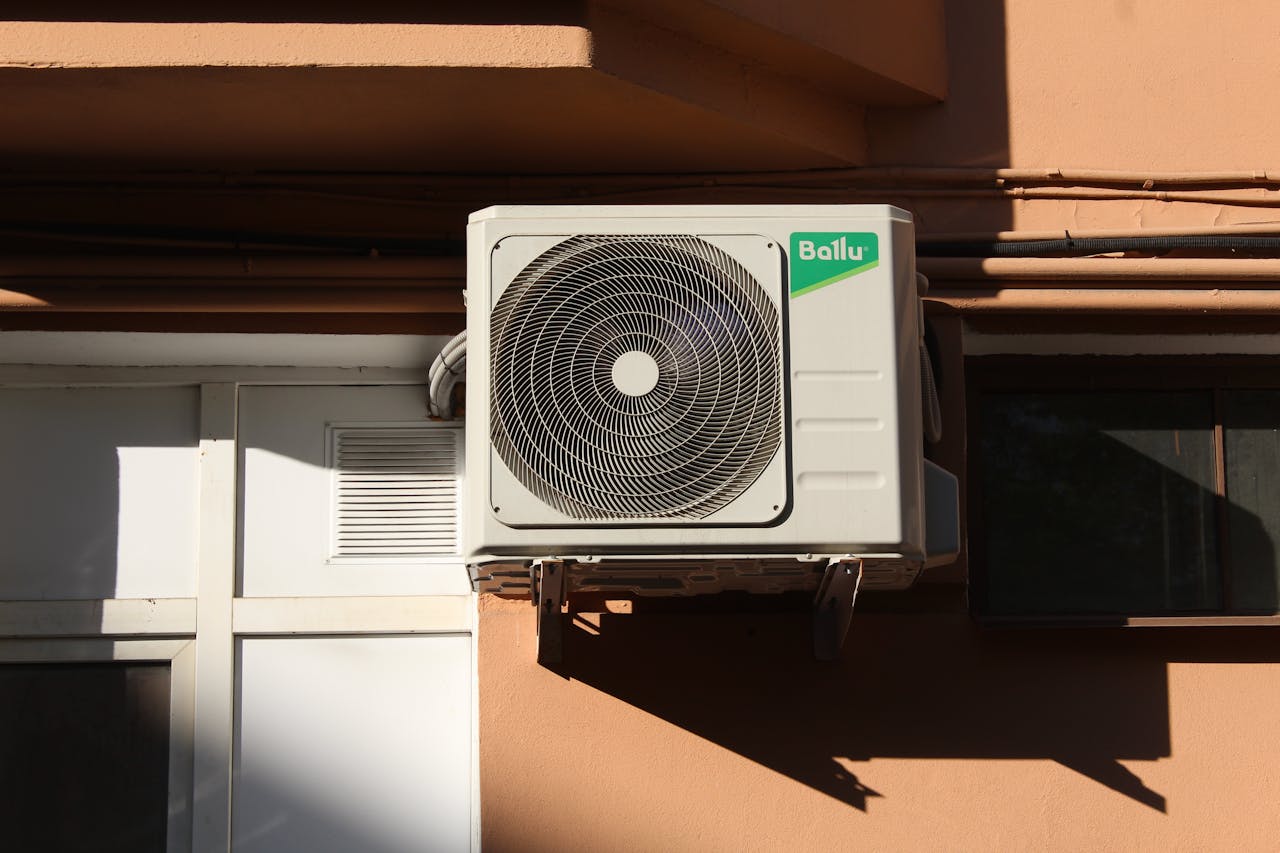
Clear leaves, snow, and dirt from around your outdoor HVAC unit. If you live in a place with snow, inspect for ice dams and remove them. Leave 60 cm of open space on all sides of the unit to allow for air flow. This enables your system to operate efficiently and reduces wear. Never shroud the unit in plastic or heavy wraps, which will hold moisture and cause damage.
Clean it regularly. Inspect the space weekly, particularly over the holidays. If you live in an area where storms are common, check more frequently. Never remove safety covers or guards when washing.
Test Your System
Test your HVAC system prior to your guests’ arrival. Set the thermostat to heat and cool, making sure the system responds within a few minutes. Experiment with the settings and listen for weird noises or weak air flow. Don’t turn the system on and off quickly. This can strain the motor.
Note any problems — slow starts, weird noises, thermostat malfunctions. Maintain a log to share with your HVAC tech during service visits. Being able to provide model numbers, recent service, and warranty information can help repair go more quickly.
Check Your Vents
Check for items that are obstructing your vents like furniture, curtains, or holiday decorations. Blocked vents cause your system to work harder and increase energy consumption. Open all vents and close them to push air where it is needed most.
If you’re a DIY homeowner, it’s a good idea to clean vents with a vacuum or soft brush every few weeks. This assists indoor air quality and keeps it circulating smoothly. Change soiled filters on demand. Don’t pinch vents to the extreme or turn off too many at once because it’ll wreck the system.
Know Your Breaker
Locate your home’s breaker panel and discover which breaker switches off the HVAC system. Tag them if necessary. Test breakers every so often to ensure they reset without difficulty.
In an outage or if the system trips, reset the breaker once. Don’t do electrical work past this point. If a breaker continues to trip, call in a pro. Keep paths to the panel and HVAC unit clear and lock up pets prior to service visits.

When to Call for Emergency Service
Holiday get-togethers can tax even the best HVAC systems, and understanding when to call for emergency HVAC services can save you from discomfort, health complications, and expensive repair costs. Acting fast is crucial during heat stress or cold strain, particularly when indoor temperatures exceed 29°C or fall below 10°C. Keep emergency numbers handy and know how to identify HVAC problems.
When your heating system fails to provide warmth and quick fixes won’t help, it’s time to call for emergency HVAC services. A rapid response is crucial to mitigate indoor temperature declines, especially during holiday periods, which can negatively impact young children or elderly visitors. While backup heat or blankets can be helpful during long waits, avoid using stoves or ovens for heating.
Electrical Issues
Flickering lights or tripped breakers are warning signs of electrical issues that often connect to HVAC problems. They can point to overloaded circuits, faulty wiring, or worn-out parts. During the holidays, using several appliances at once can overload your system, so try to stagger high-demand devices to avoid unexpected HVAC trouble. If your HVAC system keeps causing electrical issues, call a professional right away to check the wiring and main panel. Ignoring these signs raises the risk of fire or further damage, especially if your system is outdated or not up to code. Don’t hesitate to call an expert for emergency HVAC help.
Gas Leaks
- Get out of the house immediately if you smell gas or hear hissing.
- Do not turn lights or appliances on or off.
- Call emergency services from outside or a neighbor’s home.
- Ventilate by opening doors if safe, but only briefly.
- Don’t try to fix gas lines yourself.
Get out immediately if you suspect a gas leak and dial emergency hvac services from somewhere secure. Routine inspections for hvac problems, such as wear or rust in gas lines and appliances, can detect minor leaks before they escalate into costly and dangerous situations. If you see damage or smell gas, do not delay; waiting is never safe.
Beyond the Quick Fix: Long-Term Reliability
Long term reliability isn’t just about preventing the next breakdown; it’s about building a system that lasts, costs less to run, and keeps homes safe and comfortable during any holiday season. Proper holiday hvac preparation is the single best thing you can do to ensure an HVAC system’s longevity. Avoiding maintenance causes more repairs, larger energy bills, and abbreviated lifespans.
When filters get changed every month or so, and tune-ups are done before the hot and cold months, the system runs smoother and breaks down less. Checking for early signs of trouble during these tune-ups can catch and repair small hvac problems before they grow into major and costly repairs. For instance, a clogged filter or loose wire can result in increased power consumption or prevent the system from operating when it’s needed most.
A good long-term strategy involves scheduling system checks no less than twice a year, prior to your restaurant’s busiest times. Repairing what we find early instead of letting it wait helps us avoid a full-blown hvac emergency. It’s wise to maintain a history of past problems, fixes, and service dates. This simplifies identifying trends and strategizing. When everyone’s overrun during the holidays, an easy thing like a passed service date can become a big migraine.
Conclusion
The holiday season means busy homes and more work for your HVAC in California. Little inspections, like just cleaning filters and monitoring for strange odors, can save you from holiday HVAC emergencies. If you spot leaks or hear strange sounds, it is best to call a pro sooner than later. Routine maintenance results in fewer sneaky surprises and more consistent comfort all season long. A little time today saves a lot of stress tomorrow. Nobody wants a cold house during family dinner or a wake-up call from a broken heater. Get ahead, keep it simple, and trust the fundamentals. For comfort, schedule a regular inspection or consult with a local technician. To keep it smooth, contact us and schedule a visit before the rush hits.
Frequently Asked Questions
1. Why do holidays increase the risk of HVAC emergencies in California homes?
Holidays usually signify more visitors and extended system usage, which can lead to HVAC problems. California’s weather is quick to change, increasing the demand for emergency HVAC services and heightening the likelihood of a breakdown.
2. How often should I schedule HVAC maintenance before the holidays?
Have professional HVAC maintenance at least once a year, preferably before the holidays, to ensure system readiness. This not only helps catch HVAC problems early but keeps your system running efficiently during holiday emergencies.
3. What are common early warning signs of HVAC failure?
Be on the lookout for any odd sounds, weak airflow, weird smells, or uneven temperature throughout your home, as these can all indicate potential HVAC problems. Taking care of them now can save you from larger issues and emergency HVAC repairs over the holidays.
4. Can I do any simple checks on my HVAC system myself?
Yes. To ensure reliable operation during extreme cold, replace or clean filters, check that vents are clear, and make sure your thermostat works. These easy HVAC tips will keep your system efficient.
5. When should I call for emergency HVAC service?
Call right away if your system breaks down, blows cold air only, smells like burning, or leaks water. These signs can indicate serious HVAC problems that require a pro’s assistance.
6. How can I improve my HVAC system’s long-term reliability?
Plan maintenance and maintain clean filters to prevent HVAC problems. Upgrading aging equipment and installing a smart thermostat can enhance reliable operation.
7. Is it worth investing in a smart thermostat for holiday seasons?
Yes. A smart thermostat not only allows better control of temperatures but also serves as an early irregularity detector, aiding in emergency HVAC preparation to prevent HVAC problems and save energy during hectic holiday seasons.
Keep Comfort High and Stress Low this Holiday Season with Winter HVAC Support from Superior Mechanical Services
Cold weather can sneak up fast, and a poorly performing HVAC system can make holiday gatherings or winter months uncomfortable. Superior Mechanical Services, Inc. helps homeowners stay warm, safe, and energy smart with winter HVAC tune ups, heating repairs, and seasonal system care.
Families across the Bay Area have relied on our team since 1948 for dependable heating solutions that stand up to chilly weather. If your system is aging, struggling to heat evenly, or driving up energy bills, our certified technicians are ready to help you prepare for the winter rush. You’ll get clear recommendations and honest pricing so you can make confident decisions before temperatures drop.
A well maintained heating system keeps your home cozy, prevents mid winter breakdowns, and can lower your utility costs. We focus on reliable winter performance and efficiency so you can enjoy the holidays without HVAC worries.
Call today to schedule your winter HVAC checkup or heating service. With more than 70 years of experience, Superior Mechanical Services keeps Bay Area homes warm and comfortable all season long.
______________________________________________________________________

