
Water Heater Efficiency Ratings Explained
Water heater efficiency ratings explain the ability of a water heater to convert energy into heated water. These ratings employ numbers such as Energy Factor (EF) or Uniform Energy Factor (UEF) to quantify performance. The higher the numbers, the less energy is wasted and the lower the bills. Gas, electric, and heat pump water heaters all utilize these ratings, but each type rates within its own respective range.
Labels and guides on new heaters frequently display these ratings, allowing customers to easily make comparisons. Understanding what these ratings mean can assist you in selecting a model that fits both your home’s needs and your budget. The body will explain what each rating means, how to interpret them, and what is most important when selecting a water heater.
Key Takeaways
- Water heaters have efficiency ratings that can help you make a more informed choice for energy savings.
- UEF ratings better reflect real-world energy use, so they are more trustworthy than the older EF standard.
- By comparing first-hour ratings and reviewing the Energy Guide label, you can ensure your selected water heater meets your household’s peak demand and efficiency requirements.
- Each type of water heater — tank, tankless, heat pump, and solar — has its own efficiency advantages and considerations depending on your location and usage.
- Proper installation, routine maintenance, and shrewd usage habits are key to getting the most value from your water heater.
- Consider initial expenses versus annual savings and incentives to pick a water heater that aligns with your budget and sustainable efforts.

Decoding Water Heater Efficiency Ratings
Water heater efficiency ratings, such as the energy efficiency performance metrics, help buyers understand how effectively a unit converts energy into hot water. The right rating significantly impacts the operating costs of an efficient water heater, assisting in comparing models across different water heater types and technologies.
1. The Old Standard
The energy factor (EF) rating was the first benchmark to compare water heater efficiency. EF measured how well a unit converted fuel — such as electricity, natural gas, or propane — into hot water, with tests conducted in sterile lab settings. The formula was based on the proportion of hot water generated to energy input over a 24 hour period.
EF ratings didn’t indicate how a water heater would perform in an actual home. These ratings overlooked normal fluctuations in hot water usage, which can differ greatly based on the number of people in the household or their habits. EF didn’t account for standby losses—energy wasted as water idles in the tank—or how various climates and installation locations might affect performance. This disconnect at times made it difficult for consumers to determine whether a high EF rating would actually translate into reduced energy bills in everyday use.
EF ratings chiseled the market for years. They assisted in directing purchases and they frequently resulted in overstating their savings.
2. The New Standard
The Department of Energy implemented the uniform energy factor (UEF) in 2017 to provide a more transparent view of water heater efficiency. UEF changed the approach by testing units under real-world conditions and classifying them into four daily usage bins: very small, low, medium, or high.
UEF ratings rate efficiency based on how a heater performs under various usage patterns. This allows a family to more accurately predict if a model will satisfy their peak demand or conserve energy in daily life. UEF factors in standby losses and cycling, which makes the results more applicable. Electric and heat pumps tend to have higher UEFs, ranging as high as 3.2, while oil and propane fall on the lower end, showcasing how the fuel source affects efficiency.
With UEF, buyers can finally compare models on a more level playing field and identify where the real value lies. UEF determines the efficiency of your water heater, which helps you understand how much it costs to run.
3. First-Hour Rating
The first-hour rating (FHR) indicates the amount of hot water a heater can deliver in the first hour of use, beginning with a full tank. This metric is essential for bigger families or homes with significant morning or evening usage.
FHR comparisons between models help match a heater to a home’s needs. If FHR is high, a unit can keep up with showers, laundry, and dishes during the hustle and bustle of the day. Tankless water heaters, for instance, generally have lower FHRs than large tank-style models and compensate with consistent, instant hot water.
A high FHR isn’t best for everyone. Smaller families or households with less hot water demand might be okay with a lower rating. FHR is a complementary metric to UEF for water heaters.
4. The Energy Guide Label
The Energy Guide label provides consumers with an easy tool to compare a water heater’s efficiency and approximate annual operating cost. The yellow tag is hard to miss and it displays the UEF rating as well as energy consumption in kWh or MJ.
This label allows consumers to compare models side by side, regardless of fuel type and tank size. High-efficiency electric models typically display a UEF of 0.95 or higher, whereas standard-vent tank units can show significantly lower ratings. Tankless options, which have UEFs ranging from 0.85 to 0.96, can be compared as well. The Energy Star sticker on the most efficient models is another indication of solid performance and savings potential.
Efficiency Across Heater Types
Water heater efficiency, including metrics like the energy efficiency rating, varies based on how each type produces and maintains hot water, its fuel type, and its design. Different water heaters suit various homes and needs. Some provide consistent hot water, while others, like efficient water heaters, are economical over time.
- Tank heaters store water and keep it hot, but loss occurs.
- Tankless heaters heat water on demand with less standby loss.
- Heat pump heaters utilize air to transfer heat, not generate it.
- Solar heaters utilize the sun, reducing the demand for external power.
- Fuel source (electric, gas, solar, geothermic) alters the efficiency rating.
- Size and usage patterns translate into daily energy waste or savings.
Tank Heaters
Most homes use tank water heaters because they are initially cheaper and easy to install. These heaters lose energy to maintain a constant volume of hot water throughout the day, and that loss happens even when hot water isn’t being used. Tank models, particularly gas ones, cycle on and off, which translates into wasted energy keeping water hot. There’s about $0.30 lost on a traditional gas tank heater for every dollar, and a mere 60 to 70 percent of the energy goes to hot water. Electric tanks fare even better, with more than 99 percent of the energy going toward heating.
Bigger tanks can provide more hot water at a time but lose more heat. UEF ratings for tanks are less than new types, often under 0.70. Tank heaters are easy to install and suit homes with consistent, moderate hot water demands.
Tankless Heaters
Tankless water heaters provide hot water only as it is required. That results in virtually no standby heat loss. These can achieve 85 to 96 percent efficiency when gas-powered and 99 percent or more for electric models. The absence of a storage tank makes them ideal for residences with variable hot water usage.
The primary disadvantage is the increased initial cost and sometimes more complicated installation. Over time, the reduced running costs and increased efficiency tend to make up for these start-up costs. This makes tankless heaters ideal in many modern homes.
Heat Pump Heaters
Heat pump water heaters use heat from the air to warm water, making them very efficient. They commonly have UEF ratings exceeding 2.0, which is much greater than tank or tankless types. They’re more efficient; these systems consume far less electricity, which slashes energy bills in the vast majority of homes.
They require more room and thrive in mild to warm conditions. They are not good for single rooms or cold basements. Where applicable, they can save a household a lot of money over time.
Solar Heaters
Solar water heaters harness the sun’s energy and therefore are not heavily dependent on external power. That translates to lower utility bills and a reduced carbon footprint. The primary determinant of their effectiveness is local climate. For sunny locations, they can satisfy most hot water demand. In less sunny locations, backup systems would be required.
Solar heaters are pricier to install, but a lot of areas include rebates or tax breaks to bring down the cost. This doesn’t mean solar is suitable for every pool, but it makes solar an option for those seeking to cut energy use and use renewable sources.
What Ratings Don’t Tell You
Water heater efficiency ratings can appear straightforward, yet they often overlook crucial details. These figures represent energy conversion rather than the actual hot water usage or how well the electric water heater heats your space. A best-in-class rating signifies that the unit is an efficient water heater at converting fuel into heat, but it doesn’t ensure you’ll have hot water when needed. Ratings fail to consider factors like your hot water consumption habits, installation quality, and the climate you live in. Even minor elements, such as regular servicing of your heater or the type of fuel it consumes, can significantly impact its overall efficiency over time.
Installation Quality
Professional installation is crucial for your efficient water heater to perform at its peak. When installed by a professional, your unit can achieve energy efficiency that aligns closely with the label’s numbers. Simple errors, such as undersized pipes, poor venting, or lack of insulation, can squander energy and diminish overall efficiency. If a gas tank water heater isn’t installed properly, as much as 40 percent of its heat can leak away unabsorbed by your water. Ensure your installer follows the manufacturer’s instructions, as neglecting this can void warranties or lead to cost implications down the road. Hiring licensed contractors is typically the safest way to maximize your investment and avoid future headaches.
Your Climate
Climate conditions significantly impact the energy efficiency of your water heater. In colder climates, water starts at a lower temperature, causing both traditional tank and tankless water heaters to work harder and use more energy. Heat pump water heaters and solar water heating systems may perform well in mild locations, but their efficiency rating diminishes in freezing weather. Residents in warm climates can leverage toasty ground or air, enhancing the performance of electric and geothermal water heater models. When selecting the right water heater, consider your hot water usage levels during winter versus summer, as seasonal variation can influence demand, especially in larger homes.
Usage Habits
Your daily habits count more than you think when it comes to choosing the right water heater. If your family takes back-to-back showers every morning, no matter how efficient water heaters are, a small tankless model won’t be able to keep up. Even during extended seasonal low use, traditional tank models continue to cycle, squandering energy through standby losses. Smart schedules or timers can reduce waste, while smart thermostats heat water only when you need it. Efficiency ratings don’t capture these details, so considering your real-world habits gives you a superior fit for your home water heater. Maintenance, such as flushing tanks or inspecting for leaks, takes any model a bit closer to its potential run.
The Financial Bottom Line
Water heater efficiency ratings connect directly to actual costs, particularly when considering the benefits of an efficient water heater. Upfront prices can appear high, but the big picture reveals otherwise. With the new 2029 DOE standards, many new heaters, especially electric water heaters over 132 liters, must deploy heat pump technology. These modifications increase the initial cost, but they guarantee reduced energy consumption down the line. For buyers, it’s not just what you pay today—it’s what you pay every month for years to come.
- Standard electric or gas heaters have a lower upfront price, usually between €300 and €900, but they are less efficient. They are more expensive to operate too with energy prices soaring.
- Heat pump models: High upfront cost, from €1,000 to €2,500, but use up to four times less power than standard electric heaters. The 30% federal tax credit, up to €1,800, and utility rebates can reduce the initial payment.
- High-efficiency gas heaters: Priced in the middle, from €700 to €1,500. They are more efficient than normal gas heaters, but less efficient than heat pump models.
- Old models set to be discontinued in 2029 are cheaper at the start but cost more in power bills over time.
- New heat pump models may need a bigger space and can mean smaller tanks, so there is less hot water at peak times.
In most homes, water heating accounts for 15% to 20% of energy bills. Investing in a higher-rated heater can significantly reduce these costs. Over a unit’s 8 to 15 year life, this can add up to hundreds or even thousands of dollars saved. Monthly bills plummet, and the higher initial cost of an efficient water heater amortizes over a couple of years. New standards may impact comfort by requiring smaller tanks or more space, leading some to consider a current water heater model prior to 2029, knowing it is less efficient but saves in the short term.
Financing plans and rebates aid in softening the initial blow of a high-efficiency heater. Many utilities and governments provide simple payment terms or lump sum rebates these days, making a heat pump water heater as affordable upfront as a conventional model.
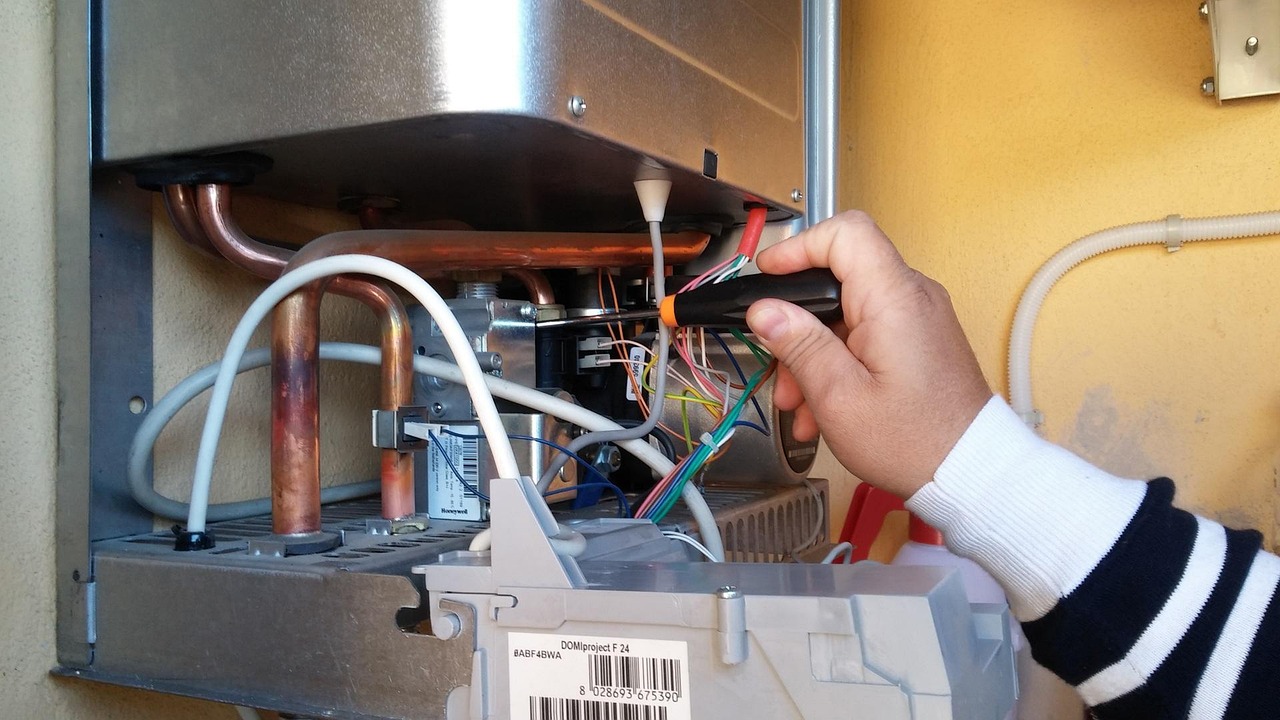
Maximizing Your Unit’s Efficiency
More efficient water heating results in reduced bills, fewer breakdowns, and a reduced carbon footprint. Various approaches tend to work better for different sizes and types of units. The goal remains to maximize hot water output with the least energy expenditure and cost. The following checklist can help: schedule regular maintenance, check thermostat settings, insulate your heater and pipes, choose the right water heater model for your needs, and consider efficient water heaters like heat pumps or tankless gas water heaters. Units with a UEF above 0.95 or thermal efficiency close to 90 percent save the most energy. Newer heat pump water heaters, for instance, can be up to four times more efficient than old-style electric water heaters. It might appear economical to purchase a model that’s about to be phased out, but remember these tend to incur higher operating costs in the long run.
Proper Installation
A properly installed efficient water heater is more efficient and has a longer lifespan. Units located near your hot water usage will waste less energy and improve overall efficiency. Always adhere to the manufacturer’s instructions, particularly with venting and safety, to avoid any heat loss and hazards. Wrap all water and power connections to prevent drips and wasted energy. A unit that is too far from the kitchen or bath will lose heat as water passes through pipes, expending additional energy to keep water hot. Install it well, and it will reward you with daily savings and fewer repairs.
Regular Maintenance
Getting your heater professionally inspected once a year is crucial for maintaining its overall efficiency and preventing unexpected failures. Over time, sediment can build up in tanks, blocking heat and forcing the system to strain, which affects its energy efficiency. Flushing the tank clears this. Worn components such as heating elements, pressure valves, or anode rods should be inspected and replaced if necessary. Staying on top of these will maximize your efficient water heater’s lifespan, with the average professional recommending replacement every 8 to 10 years.
Smart Usage
Smart habits really matter when considering energy efficiency. Use cold water for laundry or quick rinses, and opt for low-flow faucets and showerheads to reduce hot water consumption without sacrificing comfort. For God’s sake, don’t run gallons of hot water during peak times. Just turn your thermostat up high enough to be comfortable, usually around 49°C. Even minor adjustments like lowering your thermostat or insulating water pipes can lead to significant savings.
Choosing Your Next Water Heater
Selecting the appropriate water heater involves considering your household requirements in practical terms. Begin by considering your daily hot water consumption, which will depend on the size of your family, how many showers you run, how many loads of laundry you do, or how much time you spend in the kitchen. A small family or individual may only require a compact unit, whereas a larger household with visitors or numerous bathrooms will necessitate a more substantial or efficient water heater. There are a few different types of water heaters. The most typical are storage water heaters, which store hot water in a tank. Tankless models heat water on demand, conserving both space and energy. Heat pump water heaters extract heat from the air and transfer it to heat your water, functioning optimally in heated spaces. Each type fits different needs, so it’s helpful to pair the design to your daily routine.
Conclusion
Water heater efficiency ratings provide a real view of the energy a unit requires to operate and what you might end up paying over the long haul. They each have their strong points, and the best fit for you depends on your space, your water usage, and your initial budget. Certain models conserve more electricity, whereas others are more effective for larger homes. Ratings do help illustrate these trade-offs, but details such as use and maintenance are key as well. Small adjustments, such as repairing leaks or adjusting water temperature, reduce waste and keep bills lower. Need to select a new heater or just want to save more every month? Review your needs, examine the ratings and find where you can make little shifts for better savings.
Frequently Asked Questions
1. What does a water heater efficiency rating mean?
A water heater efficiency rating reflects how effectively an efficient water heater transforms energy into hot water. Higher efficiency ratings mean less energy waste and lower utility bills.
2. How can I compare the efficiency of different water heater types?
Check for the Energy Factor (EF) or Uniform Energy Factor (UEF) labels on different water heater models. The higher the number, the more efficient water heaters they are, facilitating easy comparisons between gas, electric, or solar water heating systems.
3. Are high-efficiency water heaters always more cost-effective?
Not necessarily. While high-efficiency models, such as efficient water heaters, may have a higher upfront cost, considering the long-term energy savings can help determine the best value.
4. Do efficiency ratings consider installation and maintenance?
Efficiency ratings account for energy consumption while in use, and the right water heater’s installation and maintenance impact overall efficiency and lifespan.
5. How can I improve my water heater’s efficiency?
Insulate your tank and pipes, dial down the thermostat, and schedule annual maintenance. These residential energy-saving tips enhance the overall efficiency of your electric water heater and prolong its lifespan.
6. Is a tankless water heater more efficient than a traditional one?
Thank god, yes. Tankless water heaters only heat water on demand, maximizing energy efficiency and minimizing standby energy waste, resulting in greater efficiency compared to traditional tank models.
7. What should I check before choosing a new water heater for efficiency?
Consider the energy efficiency of different water heaters, including the energy factor and fuel types, while also factoring in your family’s hot water requirements.
Take a Water Heater Deep Dive with Superior Mechanical Services
When your water heater starts struggling, everything from morning routines to evening clean up gets harder. Superior Mechanical Services, Inc. gives homeowners a clear look at how their system is performing and what it needs to stay reliable. This Water Heater Deep Dive covers performance issues, efficiency opportunities, safety concerns, and any signs your system might be nearing the end of its lifespan.
Bay Area families have turned to our team since 1948 for straight answers and dependable service. If your water heater takes too long to heat, runs out faster than it should, makes unusual noises, or pushes your utility bills higher, our certified technicians will break down the cause and guide you through the best next steps. You get clear explanations and transparent pricing so you can plan with confidence.
A detailed assessment can extend the life of your system, prevent surprise failures, and keep your home running smoothly. We focus on long term reliability and energy smart solutions that save you money and reduce stress.
Call today to schedule your Water Heater Deep Dive with Superior Mechanical Services. With more than 70 years of experience, our team helps Bay Area homeowners stay prepared with a water heater that works the way it should every day.
_________________________________________________________________

