Why Your Water Heater Struggles in Winter (and How to Fix It)
Key Takeaways
- Why your water heater suffers in winter and how to remedy it
- More hot water users lead to faster depletion in winter. Stagger the household usage and pay attention to what’s going on.
- By insulating water heaters and supply lines and regularly flushing the tank, you can improve efficiency and reduce standing heat loss.
- Few things are as frustrating as when your water heater stops working in the middle of winter.
- Both types of water heaters have their own challenges in the winter. It’s important to evaluate your home’s needs and make system improvements if needed.
- When to Call a Professional: If you experience persistent problems, leaks, error codes, or a complete loss of hot water, call a plumber to avoid further damage and expensive repairs.

Why Your Water Heater Struggles
Cold weather presents a whole different set of obstacles to interrupt your water heater’s efficiency, leading to common winter water heater problems. Understanding why your water heater struggles will help you discover strategies to maintain hot water performance, regardless of the season.
1. Colder Inlet Water
As the temperature outside drops, so does the temperature of water entering your home. This colder water makes your hot water heater work harder and longer to reach the desired temperature. It requires more energy to heat colder water, leading to potential water heater problems such as delays before hot water arrives at your tap or shower. If your thermostat is set too low, the heater may struggle to keep up, resulting in hot water running out quicker.
Insulating hot water supply lines is an effective way to combat these issues. Less heat is lost en route to your faucet, allowing the water to remain warmer. It’s essential to check your temperature settings; for most households, a setting near 49°C (120°F) works well.
2. Lower Ambient Temperature
Water heaters located in cold basements or garages lose heat more quickly. This is known as standby heat loss. Cold air surrounding the heater sucks heat from the tank. If your tank is uninsulated, heat loss increases significantly, and the poor system tries even harder.
Insulation of the space or a heater jacket can assist. A basic tank wrap or blanket reduces heat loss. Pipes should be insulated even if you have tankless heaters.
3. Increased Hot Water Use
We just use more hot water in the winter. Overly long showers, excessive laundry, and dishwashers all contribute. If everyone takes hot showers at the same time, the tank can drain more quickly than it fills up.
Follow when you use hot water the heaviest and attempt to space out showers and runs of appliances. This allows your system to manage even on the chilliest days.
4. Standing Heat Loss
Heat losses can occur from tanks and pipes. Uninsulated tanks lose heat quicker, particularly during winter. This causes the heater to run more and uses more energy.
Adding insulation? If your bills spike in winter, it might be a warning that you’re losing heat. Looking for drafts or cold spots near the heater can assist you in finding places to isolate.
5. Winter Sediment Issues
Sediment accumulates in the base of the tank. In the winter, when heaters labor, this accumulation can worsen. Sediment, in fact, insulates and hampers your heater’s efficiency.
Flushing the tank once or twice a year washes away sediment. Keep an eye out for indicators such as cloudy or rust-colored water. If you live in an area with hard water, a water softener can prevent slow buildup.
Prepare Your Heater for Winter
Preparing your water heater for winter is essential to avoid any unexpected breakdowns when the cold temperatures hit. Routine maintenance and quick fixes can significantly enhance your hot water heater’s performance, ensuring it operates efficiently when it matters most.
- Schedule a professional maintenance check before winter starts.
- Insulate both the water heater tank and exposed pipes.
- Flush the tank to clear out sediment buildup.
- Test the temperature and pressure relief valve.
- Inspect and replace the anode rod if needed.
- Set the thermostat to 49°C (120°F) for safety and efficiency.
- Check for leaks, rust, or corrosion on the tank, pipes, and valves.
- Vacation mode or low if you’re away.
Insulate Everything
- Prepare your water heater for winter by wrapping its tank with a quality insulating blanket to reduce heat loss. Ensure the blanket is tight fitting but does not cover air vents or controls.
- Slide foam insulation sleeves over pipes, particularly those coursing through unheated areas. This keeps water warmer and helps avoid freezing.
- Walk and see if any of the existing insulation is thin, damaged, or missing. If so, swap it out or upgrade to thicker materials that comply with modern standards.
- Be particularly mindful of joints and bends. Use tape or additional insulation at these points to prevent cold spots that could freeze or lose heat.
Flush the Tank
Flushing the tank is crucial for maintaining your hot water heater’s efficiency, as it removes sediment buildup that can damage its performance over time. This buildup can lead to rust and decrease the heater’s lifespan, making regular maintenance essential. Most manufacturers recommend an annual water heater check to prevent costly issues. Use a garden hose to drain the tank safely, and observe the water as it flows; if it appears murky or sandy, continue flushing until it runs clear.
Test the Valve
The temperature and pressure relief valve is an important safety feature in your water heater services. Press the test lever and release some water. After releasing the lever, it should spring back. If the valve sticks or water continues to drip, you may need to replace it. Regular maintenance checks, especially in winter, can prevent costly issues. If you’re not certain, a professional plumber can help test or replace the valve to ensure your hot water performance.
Check the Anode Rod
Search for anode rod corrosion during your annual water heater check. The rod draws minerals that can corrode the tank, so swapping it out every several years is a best practice. A well-fed anode rod prevents rust and keeps the tank strong for years to come. It’s wise to include this check on your winter plumbing disaster prep checklist or have a technician conduct it during a routine water heater service.
Troubleshooting Winter Performance
Water heaters tend to have a harder time in winter. The water coming into the home can be as much as 25°C cooler than it is during summer, so that puts extra strain on the heater. These colder temperatures can bring very common hot water problems. Simple seasonal checks and troubleshooting catch issues before they become expensive.
Common warning signs of winter water heater malfunctions:
- Hot water is not as hot as usual or pulsates.
- Hot water runs out faster than normal
- Heater makes unusual noises (popping, rumbling, banging)
- Water leaks or moisture visible on or around the unit or pipes.
- Discolored or rusty hot water from taps
- Pilot light keeps going out (for gas heaters)
- Heater is older than 8–12 years (tank models)
- Higher energy bills without changes in usage
Adjust the Thermostat
Adjust the thermostat of your hot water heater to 49-60°C (120-140°F) for optimal performance. If the thermostat is bad or misconfigured, it can lead to water heater issues, causing temperatures to fluctuate or remain cold, which is a larger concern in winter. Inspect the thermostat for damage, loose wiring, or malfunctioning components, and ensure you perform regular maintenance to avoid unexpected breakdowns.
Inspect for Leaks
Check around the heater and pipes for leaks or water spots, as cold temperatures can cause pipes to shrink and potentially create leaks. Addressing water heater issues early not only prevents bigger repairs later but also enhances the heater’s performance. If you notice rust or corrosion, it may indicate that water is escaping through tiny cracks or aged joints. Take care of these symptoms immediately and inspect those pipes for insulation to minimize standby heat loss.
Listen for Noises
Odd noises from the heater can indicate water heater issues such as sediment buildup in the tank, which occurs frequently when the hot water heater has to work harder in colder months. Popping or rumbling noises should not be overlooked, as they can lead to costly issues and decrease the lifespan of the heater. Pay attention to any new or louder noises and maintain logs to provide information to a mechanic if necessary.
Check the Pilot Light
For gas water heaters, a functioning pilot light is crucial. If it goes out, follow safety steps to relight and check for gas supply. A weak or flickering flame may indicate a larger water heater issue. Keep an eye on the pilot light in the winter, as cold temperatures may cause common winter water heater problems.
The Hidden Stresses of Winter
Winter’s cold snap challenges water heater services more than any other time of the year. When that north wind blows cold, the groundwater temperatures drop, so the heater has to work harder to achieve the desired temperature. More hot water gets burned through on showers, laundry, and dishes, particularly if you have guests in for the holidays. These things add additional stress to the water heater, inside and out.
Accelerated Corrosion
Cold weather accelerates corrosion in water heaters. When the outside temperature dips, condensation might form on the tank and pipes, eventually causing rust. Corrosion may appear as rust spots on the tank or water lines or flakes within the heater. It can impact valves and heating elements. It’s important to look for these indicators because early detection allows you to intervene before leaks or system malfunctions occur.
To reduce corrosion, insulate the tank and associated piping. This reduces condensation and helps surfaces stay dry. A sacrificial anode rod, which draws corrosive elements toward it and away from the tank, contributes. Simple upkeep, such as flushing the tank to clear sediment, helps keep corrosion at bay. Maintenance should be performed at least annually, with additional inspections during winter.
Component Strain
Water heater components are more stressed during the colder months. Heating coils have to run longer to warm colder water, and thermostats may have to strain to keep a consistent temperature. This additional pressure can lead these parts to fatigue prematurely. Symptoms of strain can range from increased hot water wait times, odd clanking sounds, or exposed wear on components.
Pay attention to the unit’s work. If your heater has a hard time with recovery time or if the water temperature varies, your heating elements might be stressed. Tackle early failure symptoms, such as sporadic heating or short cycling, by scheduling repairs or swapping out worn components before they give out. In some cases, upgrading to more heavy-duty parts or models rated for colder climates could extend the system’s life.
Efficiency Degradation
Productivity tends to fall in winter. Your heater consumes more energy to heat up this colder supply water. Insulating the heater and its pipes makes it run less often as it loses less heat. Your energy bill can show you if consumption has spiked.
If you observe increased energy usage, attempt to modify hot water habits, like quicker showers or washing clothes on warm instead of hot. Flushing sediment from this tank helps keep efficiency up. Think about upgrading to a high-efficiency version or battling losses with insulation jackets and pipe covers.
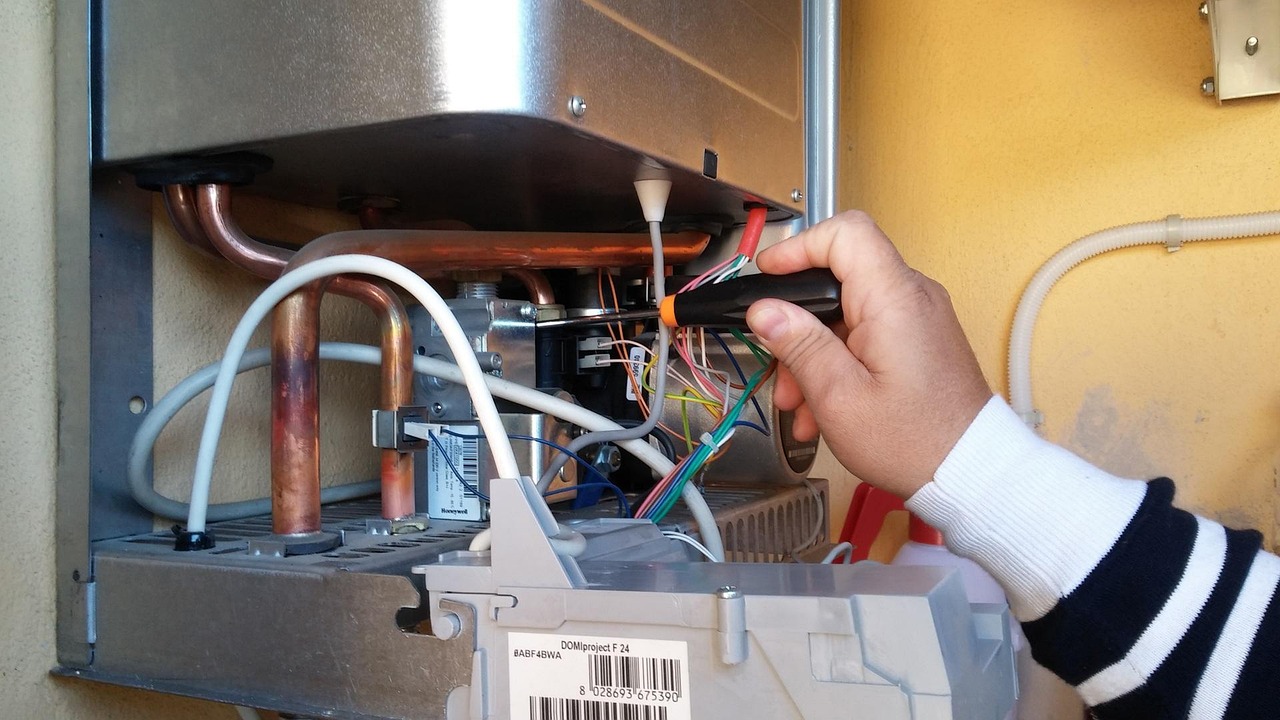
Tank vs. Tankless in the Cold
Cold incoming water, increased demand, and lower ambient temperatures can affect the operation and dependability of both tank and tankless water heaters. Understanding how each system functions as the temperature drops helps homeowners make savvy decisions about comfort, efficiency, and regular maintenance.
| Feature | Tank Water Heater | Tankless Water Heater |
| Typical Lifespan | 8–12 years | 15–20 years |
| Hot Water Supply | Limited by tank size | Continuous, limited by flow rate |
| Cold Weather Performance | Slower recovery, more energy loss | Lower output in extreme cold |
| Energy Efficiency | Loses heat constantly (standby loss) | Only heats water when needed |
| Risk of Freezing | Well-insulated, less prone to freeze | Pipes/units can freeze in extreme cold |
| Maintenance Needs | Annual tank flush, anode rod checks | Regular descaling, freeze prevention |
Tank Heater Challenges
Tank heaters maintain a certain amount of water hot at all times. When it’s winter, the incoming water is colder so the heater needs to run longer to get it to temperature. If your tank is small or you use it a lot, it might not be able to keep up, particularly at peak times. When demand exceeds recovery rate, hot water disappears quickly.
An aging tank loses heat faster and therefore uses more energy to reheat water. Turning down your thermostat a notch in winter will ease the burden, but won’t do enough if the tank is too small for your home. Frequent flushing clears sediment that accumulates more quickly with intense winter usage, maintaining efficiency and reducing the risk of breakdowns.
If your tank goes out in the cold, downtime can be extended and repairs can be expensive. Checking and swapping your anode rod keeps rust at bay and extends the heater’s lifespan, particularly in areas where winter corrosion picks up pace.
Tankless Heater Limitations
Tankless heaters provide hot water instantaneously. Their weaknesses are exposed in cold weather. When incoming water is colder, the unit has to work harder to heat it up, which can reduce the peak flow rate. If more than one faucet or shower is run simultaneously, water might not become sufficiently hot.
Tankless units do freeze in very cold weather, particularly if they are mounted outdoors or in unheated areas. Pipe insulation and built-in freeze protection can be helpful, but in deep cold, even these measures may fail. For larger families or homes with heavy winter demand, a single tankless unit may not be enough, and a second unit or backup heater is sometimes required.
When to Call a Professional
Winter tends to be harder on water heaters due to colder incoming water and increased hot water demand. While some minor water heater issues can be resolved with simple debugging, others necessitate expert water heater repair. Knowing when to call in professional water heater services ensures your system remains secure and efficient.
No Hot Water
If you have no hot water, then begin by checking the thermostat settings and power to the water heater. A tripped breaker or a loose wire can sometimes interfere with the heater. Older units, particularly those more than 10 to 15 years old, are much more susceptible to breaking down on a winter night and often require more than a band-aid.
If you test the obvious problems and still have no hot water, or if the temperature isn’t consistent, it’s time for a pro. A professional can eliminate more serious issues with the heating element, thermostat, or wiring. It is better to get assistance sooner rather than later, particularly in cold weather months when you need that ‘hot’ water.
Leaking Tank
| Cause | Action | Risk Level |
| Loose pipe fittings | Tighten connections | Low |
| Corroded tank | Replace tank | High |
| Faulty valve | Replace valve | Medium |
| Condensation | Monitor, may be normal | Low |
Check the leak’s size and location to identify any potential water heater issues. Small leaks near fittings can often be fixed, but if water pooling from the tank body indicates corrosion, it points to a bigger problem. If the leak is severe, shut off the water and power immediately. Take notes and photos of where the leak starts and how much water is present. Call a professional plumber as soon as possible to prevent water damage and more costly repairs.
Match error codes with water heater issues by consulting the user manual. Note all codes you observe and any recent changes in the heater’s behavior, like extended heating periods or odd sounds. Pass this info along to the expert water heater repair technician for a speedier solution.
Persistent Problems
Regular breakdowns, weird noises, or hit-or-miss hot water are indications of a more serious underlying problem. Track what breaks and how often. Old heaters with recurrent breakdowns may have worn-out internal components or mineral deposits.
A full check-up by the pros is the best way to catch and correct lurking issues, particularly prior to winter. Routine inspections and repairs are cost-effective and keep unexpected crashes at bay.
Conclusion
Winter makes your water heater push harder. Freezing pipes, spiking usage and heat loss all contribute. Easy measures make a difference. Flush the tank, insulate pipes or adjust the thermostat. Tankless can lag with low temperatures. Old tanks lose more heat. Certain issues require a professional, such as leaks or odd noises. Identifying problems before they occur saves you time and money. Fixes are frequently small tweaks, not major outlays. We all experience these same issues in winter, so you’re not alone. To really get the maximum out of your water heater, pay attention and then act quickly. If you notice trouble, contact a professional before it escalates.
Frequently Asked Questions
1. Why does my water heater take longer to heat water in winter?
Cold feed water reduces the initial temperature, causing water heater issues as your hot water heater requires additional energy and time to warm up, decelerating hot water response.
2. Can insulating my water heater help in winter?
Yes, wrapping your water heater or pipes in insulating materials minimizes heat losses, helping to prevent common winter water heater problems. This assists your system in holding in water temperature and operating more efficiently during frigid weather.
3. How can I prepare my water heater for winter?
Inspect for leaks, flush the tank, and insulate pipes to prevent water heater issues. Turn it down to 49°C for safety and efficiency, as expert water heater repair services can help your heater perform better during winter.
4. What are signs my water heater is struggling in cold weather?
Symptoms such as slower heating, temperature fluctuations, or exhausting your hot water supply more quickly indicate that your water heater is facing additional pressure from the cold temperatures.
5. Are tankless water heaters better than tank types in winter?
Tankless water heaters can experience water heater issues with very cold water, potentially decreasing flow rate. All water heaters require TLC, but tankless options may need more care during the winter chill.
6. When should I call a professional about my water heater?
Watch out for water heater issues like leaks, odd sounds, or no hot water that regular troubleshooting can’t fix. Call a pro for expert water heater repair!
7. Can I fix winter-related water heater problems myself?
You can attempt simple measures, such as flushing the tank or insulating your pipes, but for serious water heater issues, like stubborn leaks or heating breakdowns, expert water heater repair is preferred.
Take a Water Heater Deep Dive with Superior Mechanical Services
When your water heater starts struggling, everything from morning routines to evening clean up gets harder. Superior Mechanical Services, Inc. gives homeowners a clear look at how their system is performing and what it needs to stay reliable. This Water Heater Deep Dive covers performance issues, efficiency opportunities, safety concerns, and any signs your system might be nearing the end of its lifespan.
Bay Area families have turned to our team since 1948 for straight answers and dependable service. If your water heater takes too long to heat, runs out faster than it should, makes unusual noises, or pushes your utility bills higher, our certified technicians will break down the cause and guide you through the best next steps. You get clear explanations and transparent pricing so you can plan with confidence.
A detailed assessment can extend the life of your system, prevent surprise failures, and keep your home running smoothly. We focus on long term reliability and energy smart solutions that save you money and reduce stress.
Call today to schedule your Water Heater Deep Dive with Superior Mechanical Services. With more than 70 years of experience, our team helps Bay Area homeowners stay prepared with a water heater that works the way it should every day.

